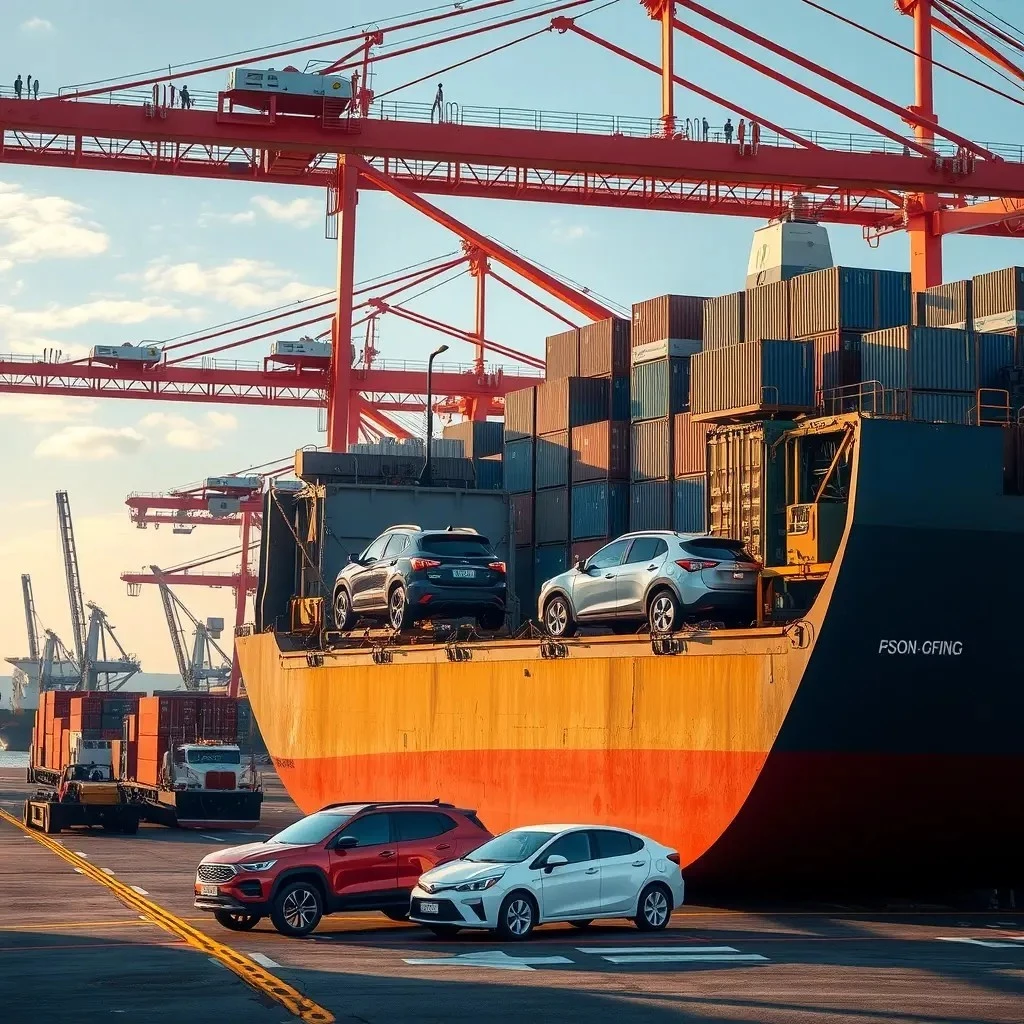
Can I ship my car to japan
Shipping a vehicle internationally can be a complex process, involving multiple layers of regulations, logistics, and costs. If you are considering exporting your car to Japan, understanding the key aspects of vehicle transport and international shipping is crucial.
Understanding International Vehicle Transport
International shipping of a vehicle involves moving a car from one country to another, often across oceans. This process is facilitated by auto transport services that specialize in overseas shipment. These companies handle everything from logistics to documentation, ensuring that the car arrives safely at its destination.
Car Export and Customs Regulations
When exporting a car to Japan, it is vital to be aware of the customs regulations that govern such a transaction. Japan has specific rules regarding vehicle compliance and must meet environmental and safety standards before being allowed entry.
Import Duties and Taxes
Import duties are a significant factor in the cost of car export. In Japan, these duties can vary based on the vehicle’s make, model, and age. It is essential to calculate these costs beforehand to avoid any unexpected expenses.
Shipping Logistics and Auto Transport Services
Shipping logistics are a crucial aspect of international car transport. Choosing a reliable freight forwarding company can make a significant difference in the efficiency and cost of the shipment. These companies provide comprehensive services, including arranging transportation permits, compliance checks, and more.
Overseas Shipment and Maritime Transport
Maritime transport is the primary method for shipping vehicles overseas. Cars are typically loaded onto a container ship or a Roll-on/Roll-off (RoRo) vessel, depending on the service chosen. Each method has its own set of benefits and costs associated with it.
Container Shipping vs. RoRo Shipping
- Container Shipping: Offers more protection for the vehicle against weather and damage but is generally more expensive.
- RoRo Shipping: More cost-effective but may expose the vehicle to elements during transit.
Documentation Requirements for Shipping to Japan
Proper documentation is crucial for the smooth transport of a vehicle overseas. Common documentation requirements include:
- Bill of Lading
- Commercial Invoice
- Export Declaration
- Vehicle Title and Registration
- Insurance Documents
- Proof of Compliance with Japanese Standards
Calculating Shipping Costs
Shipping costs can vary greatly based on several factors, including the shipping method, distance, and additional services required. It is advisable to obtain quotes from multiple service providers to find the most competitive rates.
Port of Entry and Transportation Permit
The port of entry is where the vehicle will arrive in Japan. It is necessary to have a transportation permit for the vehicle to be legally driven on Japanese roads. This permit is part of ensuring vehicle compliance with local laws.
Vehicle Compliance and Final Steps
Ensuring vehicle compliance with Japanese regulations is a critical step. This includes adhering to emissions standards and safety requirements; Once compliance is confirmed, the final steps involve customs clearance and delivering the vehicle to its final destination.