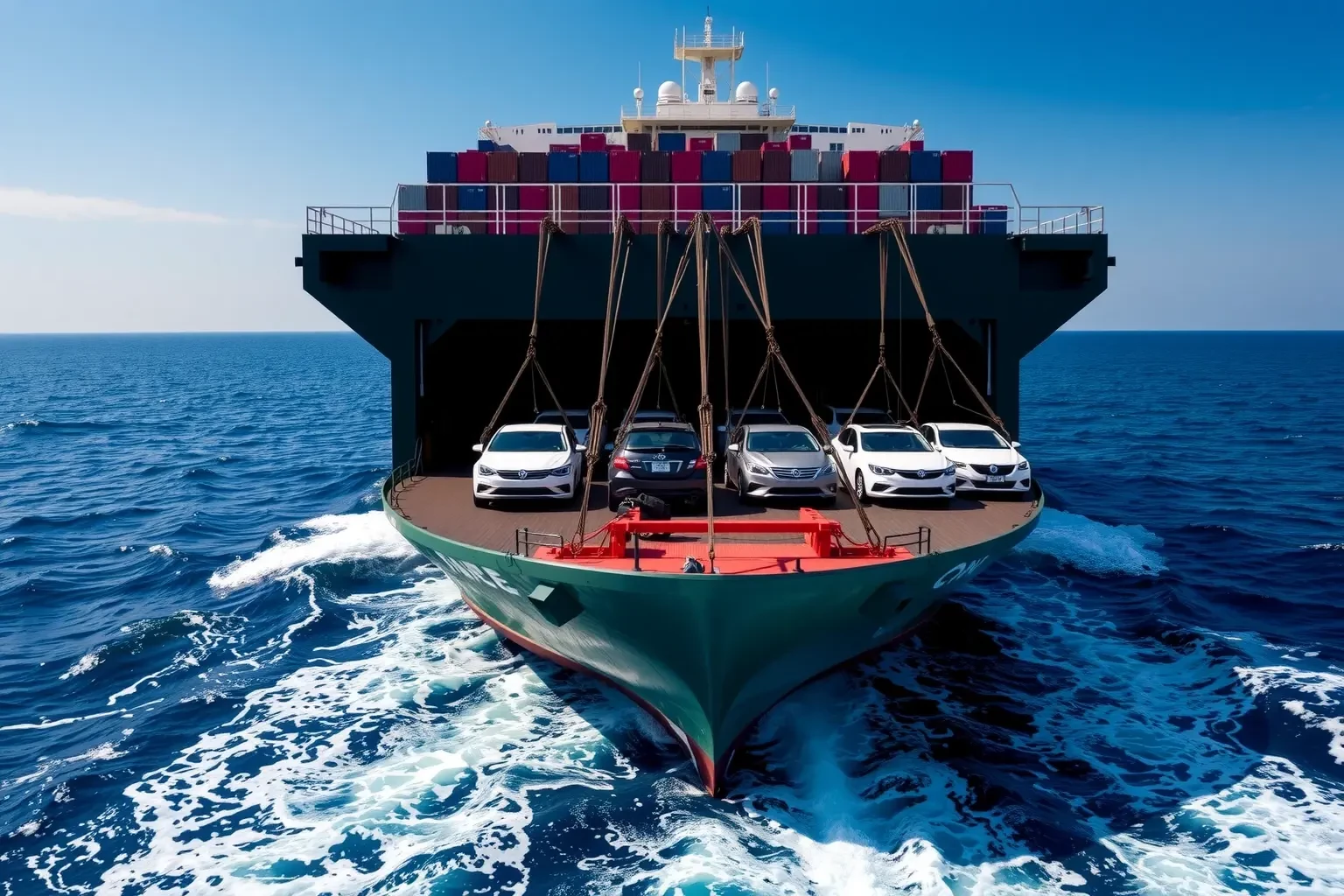
Can you ship cars overseas
Shipping cars overseas is a complex process that involves numerous steps and considerations. Whether you are relocating, selling a vehicle to an international buyer, or exporting cars for business, understanding the fundamentals of international shipping is crucial. This article explores the intricacies of car transport, vehicle export, and other essential aspects of shipping cars overseas.
Understanding the Basics of Car Transport
The process of auto shipping begins with selecting the right logistics providers. These companies specialize in handling the intricacies of shipping cars across borders, ensuring that your vehicle reaches its destination country safely and efficiently.
Choosing the Right Shipping Method
There are several methods to ship cars overseas, each with its own benefits and drawbacks:
- Roll-on/Roll-off (RoRo): A cost-effective method where vehicles are driven onto a specialized ship and secured in place. This is ideal for operable cars but may not be suitable for luxury or classic vehicles due to exposure to the elements.
- Shipping Containers: Provides better protection as vehicles are enclosed within a shipping container. This method is more expensive but offers added security and is ideal for high-value cars.
- Air Freight: The fastest but most expensive option, generally used for urgent deliveries or exceptionally valuable vehicles.
Navigating Import Regulations
Each destination country has specific import regulations that must be adhered to. These regulations dictate what vehicles can enter the country, the taxes and duties applicable, and the necessary shipping documentation required for customs clearance.
Customs Clearance
Customs clearance is a critical step in the vehicle export process. It involves submitting the right documents, such as the bill of lading, vehicle title, and proof of ownership, to the customs authorities of the destination country. Engaging experienced international movers can simplify this process.
Understanding Transportation Costs
Transportation costs are influenced by several factors, including the shipping method, distance, and the weight and dimensions of the vehicle. Additional costs may include insurance, vehicle inspection fees, and port of entry charges.
Insurance Coverage
Insurance is an essential consideration when shipping cars overseas. It provides protection against potential damages that might occur during maritime transport. Ensure you discuss insurance options with your logistics providers to secure comprehensive coverage for your vehicle.
Preparing Your Vehicle for Overseas Delivery
Proper preparation of your vehicle is essential for a smooth overseas delivery. This includes:
- Thorough vehicle inspection to document its current condition.
- Removing personal items and securing loose parts.
- Ensuring the vehicle is in operable condition, especially if using RoRo services.
Transit Times and Delivery
Transit times can vary significantly based on the shipping route, method, and port of entry processes. While air freight is the fastest, sea freight can take several weeks. It’s important to plan accordingly and communicate with your car carrier to understand expected delivery timelines.
Port of Entry Considerations
Upon arrival at the port of entry, the vehicle must undergo customs inspection. This step verifies compliance with import regulations and ensures that all duties and taxes are paid. Proper shipping documentation facilitates a smoother process.
Shipping cars overseas is a multifaceted process that requires careful planning and coordination. By understanding the options for freight services, navigating import regulations, and preparing the necessary shipping documentation, you can ensure a successful vehicle export experience. Engaging with professional logistics providers and international movers can greatly enhance the efficiency and reliability of the process, providing peace of mind as your car embarks on its journey to a new destination.