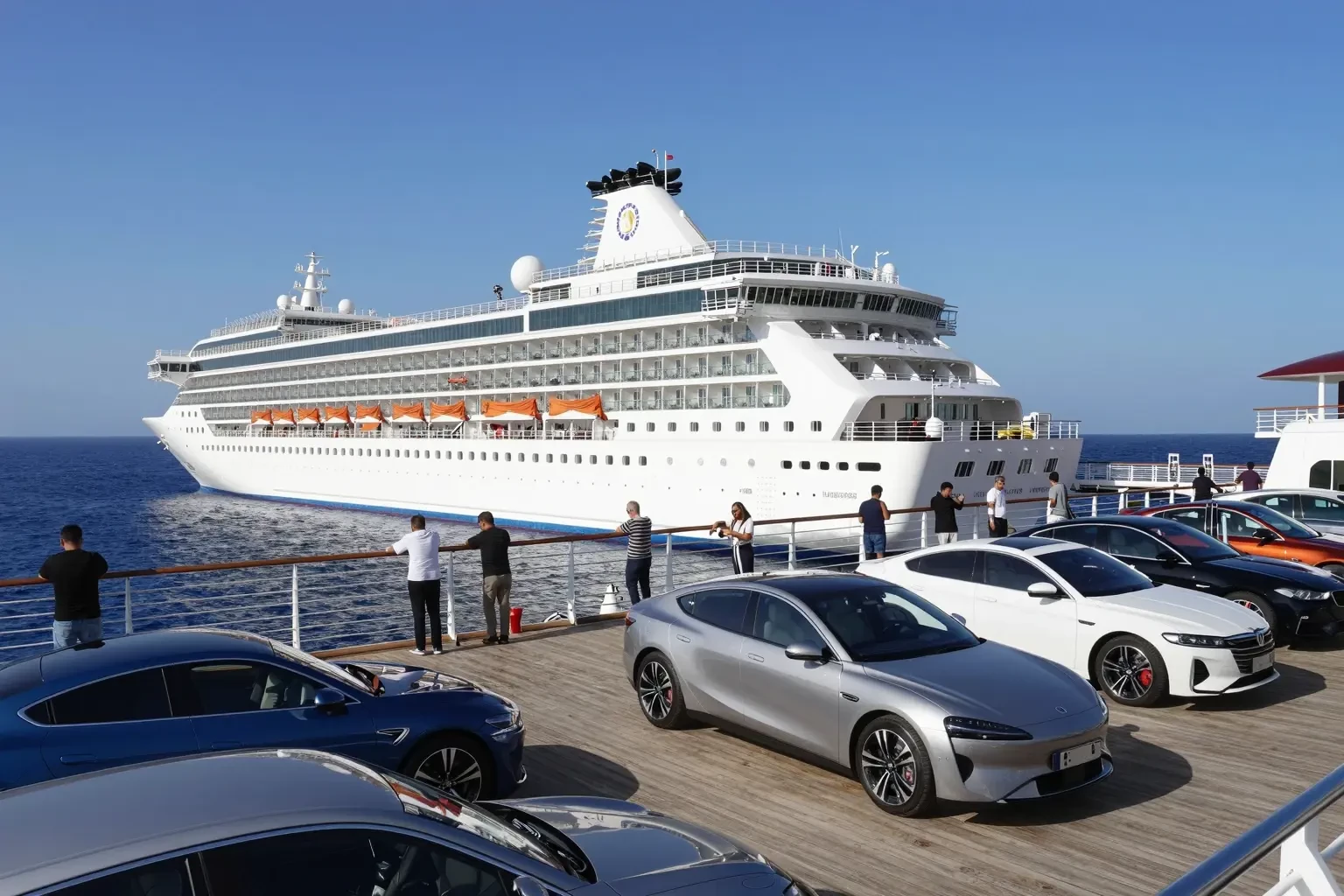
Can you take your car on a cruise ship
The concept of taking one’s car on a cruise ship may seem novel to many travelers. While cruise ships are primarily associated with leisure maritime travel, offering passenger services that include luxurious accommodations, entertainment, and dining, there is a subset of maritime transport known as vehicle transport or car shipping that deals with transporting vehicles across oceans.
Understanding Vehicle Transport on Cruise Ships
In the context of transportation logistics, the process of moving cars by sea is typically carried out by specialized vessels rather than traditional cruise ships. These specialized vessels are known as roll-on/roll-off ships, often abbreviated as RoRo ships. Unlike ocean liners that primarily focus on passenger services, RoRo ships are designed to carry wheeled cargo, such as cars, trucks, and even larger vehicles, which are driven on and off the ship at the port of entry.
Why Traditional Cruise Ships Do Not Offer Car Shipping
Traditional cruise ships focus on the comfort and entertainment of their passengers. The infrastructure of these ships includes luxurious cabins, dining areas, theaters, and pools, which are tailored for human occupancy and leisure rather than vehicle storage. Therefore, they do not have the necessary facilities, such as a cargo hold or ramps, to accommodate vehicles. Moreover, the embarkation and disembarkation procedures on cruise ships are optimized for people, not cars.
The Role of RoRo Ships in Car Shipping
RoRo ships, on the other hand, are specifically equipped for freight shipping of vehicles. They offer a practical solution for those needing to transport a car across international borders; The cars are driven directly onto the ship’s decks or parking areas and then secured for the journey. Upon arrival at the destination port, the cars are simply driven off, making the process efficient and straightforward.
Ports of Entry and Transportation Logistics
When considering whether you can take your car on a cruise ship, it’s essential to understand the logistics involved in vehicle transport. The journey of a car begins at the port of entry, where vehicles are loaded onto a RoRo ship. The port’s infrastructure must support such operations, including having specialized ramps and secure loading areas.
Embarkation and Disembarkation Process
The embarkation process for cars involves driving the vehicle onto the ship via a ramp. The vehicles are then parked in designated areas within the ship’s internal decks, which are analogous to a large parking garage. This process is carefully managed to ensure the safety of the cars and the ship’s stability during transit.
Upon reaching the destination, the disembarkation process mirrors embarkation, where cars are driven off the ship at the destination port. This process is quick and efficient, allowing for minimal delays in the transportation of vehicles.
Benefits and Considerations of Maritime Vehicle Transport
Using maritime transport for vehicles offers several benefits. It is a cost-effective means of shipping cars over long distances, particularly for international travel. Additionally, RoRo services provide a reliable and predictable schedule, catering to the needs of freight shipping with precision.
However, there are several considerations to keep in mind. The availability of RoRo services depends on the ports and shipping routes. Not all ports offer vehicle transport services, and not all cruise ship destinations coincide with RoRo routes. It’s also important to consider the legal and regulatory requirements for importing cars into different countries, which can vary significantly.
While it is not feasible to take your car on a traditional cruise ship, the maritime industry offers specialized solutions for car shipping via RoRo ships. These vessels provide an efficient and reliable method for transporting vehicles across the seas, backed by a robust infrastructure of ports and transportation logistics.
For those interested in combining a cruise experience with vehicle transport, it may be necessary to explore alternative arrangements, such as arranging separate RoRo shipping alongside a passenger cruise to the same or nearby destinations. This approach allows travelers to enjoy the luxury of cruise ship accommodations while ensuring their vehicle reaches its destination safely and efficiently.