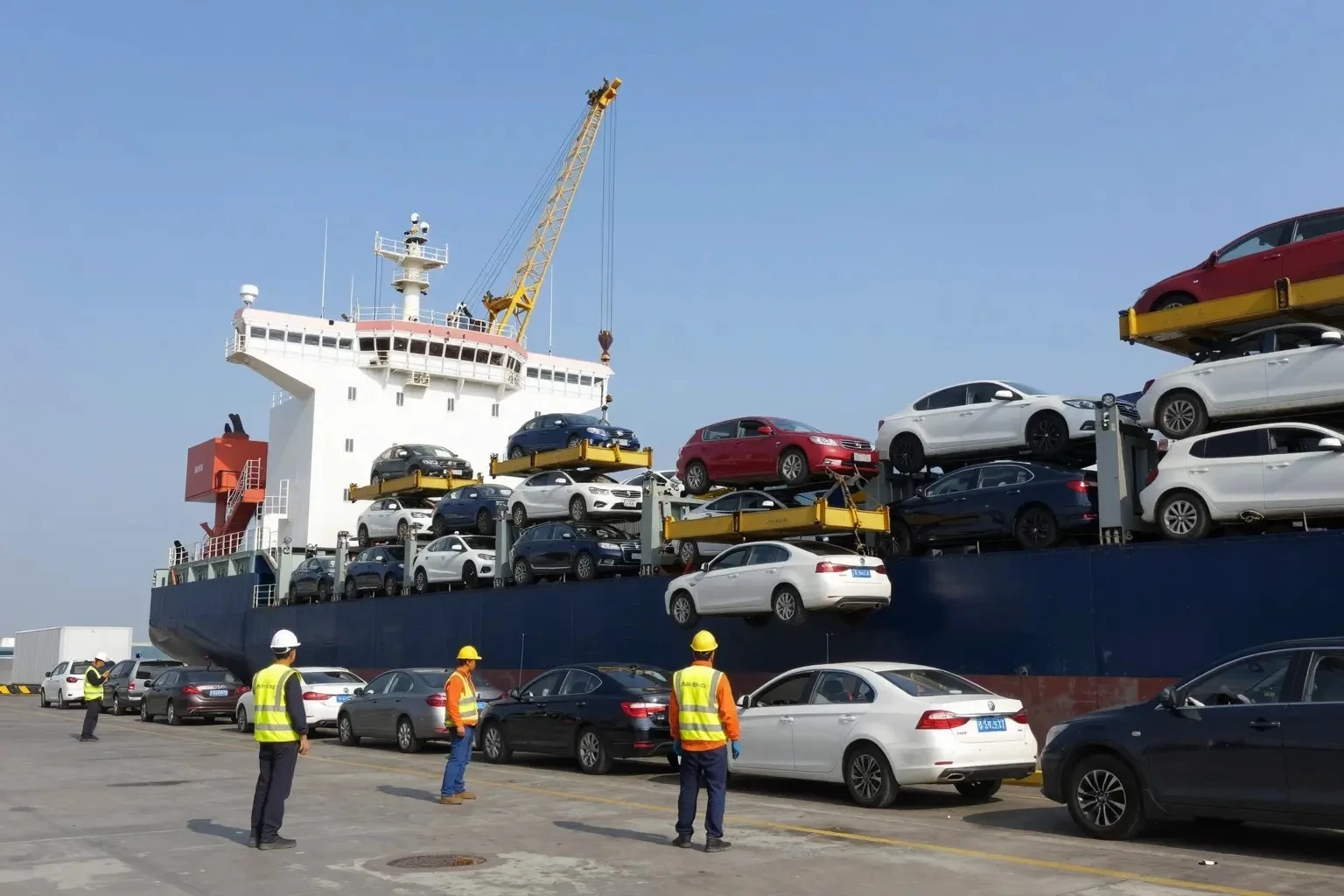
how are cars shipped
Shipping a car from one location to another is a complex process that involves multiple transportation methods and logistics considerations. Whether it’s for personal use, dealership inventory, or international trade, understanding the intricacies of car transport is crucial. This article explores the various aspects of vehicle shipping, including the different methods used, the role of logistics companies, and the factors affecting shipping cost.
Transportation Methods in Car Shipping
There are several transportation methods used to ship cars, each suited to different needs and circumstances:
- Container Shipping: This method involves placing vehicles inside a shipping container. It offers excellent protection from the elements and is commonly used for international shipping.
- Roll-on/Roll-off (RoRo): Vehicles are driven directly onto a ship and secured for transport. RoRo is a cost-effective and popular method for maritime transport but offers less protection than container shipping.
- Car Carrier Trucks: These are large trucks specifically designed to transport multiple vehicles overland. They are widely used for domestic transport, especially within the same country or continent.
The Role of Logistics Companies
Logistics companies play a crucial role in the car shipping process, handling everything from planning and coordination to execution. These companies often offer freight forwarding services, ensuring the vehicle moves smoothly between different modes of transport and across borders.
Key Services Provided by Logistics Companies
- Customs Clearance: Navigating import/export regulations and ensuring compliance with customs requirements.
- Vehicle Tracking: Offering real-time updates on the vehicle’s location and estimated delivery times.
- Shipping Insurance: Providing coverage against potential damages or losses during transport.
International Shipping and Ocean Freight
International shipping often involves ocean freight, where cars are transported on cargo ships across seas and oceans. This method requires careful coordination to ensure timely and safe delivery.
The delivery process in international shipping includes several stages:
- Preparation and Packaging: Ensuring the vehicle is ready for transit and securely packed if using container shipping.
- Loading: The vehicle is loaded onto the transport vessel, whether a ship or plane.
- Transit: The vehicle is transported to its destination, possibly involving multiple stops and transfers.
- Unloading: Upon arrival, the vehicle is carefully unloaded from the transport vessel.
- Final Delivery: The vehicle is delivered to the specified location, completing the process.
Factors Influencing Shipping Costs
The shipping cost for car transport is influenced by several factors, including:
- Distance: The farther the vehicle needs to be transported, the higher the cost.
- Transportation Method: Different methods have varying costs, with container shipping generally being more expensive than RoRo.
- Vehicle Size and Weight: Larger and heavier vehicles incur higher shipping costs.
- Insurance Coverage: The level of shipping insurance chosen can also affect the overall cost.
The Importance of Shipping Insurance
Given the potential risks involved in car transport, obtaining shipping insurance is advisable. It provides financial protection against damages or losses that may occur during transit.
The Impact on the Automotive Industry
The practice of car shipping is integral to the automotive industry, facilitating the global distribution of vehicles and supporting import/export activities. Efficient auto logistics enable car manufacturers and dealerships to reach a larger market, enhancing their business operations.
Understanding how cars are shipped is essential for anyone involved in the transportation of vehicles. By choosing the right method and logistics company, ensuring proper customs clearance, and securing adequate insurance, the car shipping process can be smooth and efficient. As global trade continues to expand, the role of vehicle shipping in maritime transport and overland transport will only grow in importance.