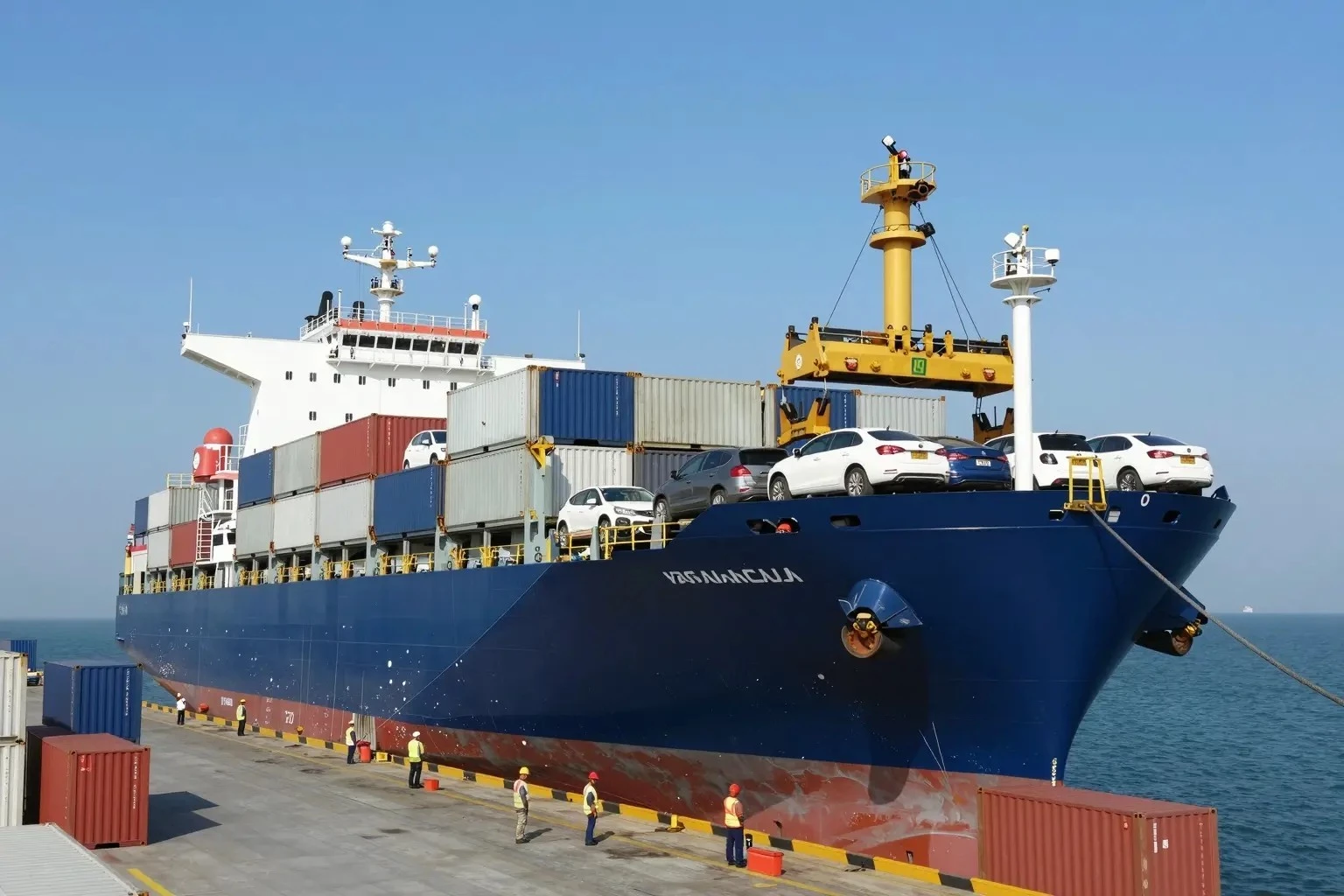
How much to ship a car to guyana
Shipping a car internationally can be a daunting task, especially when considering a destination like Guyana. Understanding the various factors involved in car transport to this South American country is crucial. This article will guide you through the essential elements, including shipping costs, international shipping procedures, and the logistics involved in vehicle transport. We’ll also touch on customs duties, import taxes, and other regulations you must consider during the process.
Understanding Shipping Costs for Car Transport to Guyana
The cost of shipping a car to Guyana can vary significantly based on several factors. It’s crucial to obtain detailed shipping quotes from multiple auto shipping companies to get an accurate estimate. Here are the primary factors influencing the shipping costs:
- Distance and Route: The distance from the point of origin to Guyana and the shipping route taken will significantly impact the cost.
- Type of Vehicle: The size and weight of your car can affect the freight rates. Larger vehicles typically incur higher shipping costs.
- Shipping Method: Whether you choose container shipping or roll-on/roll-off (RoRo) shipping will influence the price. Container shipping is generally more expensive but offers added protection.
- Season and Demand: Shipping prices can fluctuate based on the season and the demand for shipping services. It’s often more expensive to ship during peak seasons.
- Insurance: While optional, insurance is highly recommended and will add to the overall cost.
International Shipping and Vehicle Transport
International shipping involves a series of logistical steps that must be carefully coordinated. Shipping companies will manage the transport of your vehicle from the port of origin to the port of destination in Guyana. The delivery time can vary based on the shipping method and the current demand for shipping services.
Choosing the Right Shipping Companies
Selecting a reputable auto shipping company is crucial for a smooth shipping experience. Look for companies with experience in overseas shipping and positive customer reviews. They should provide comprehensive shipping quotes and be transparent about any potential hidden fees.
Customs Duties and Import Taxes in Guyana
Upon arrival in Guyana, your vehicle will be subject to customs duties and import taxes. These costs can be substantial and should be factored into your overall budget. It’s important to understand the customs regulations and ensure all necessary documentation is prepared in advance to avoid delays.
- Customs Duties: Calculated based on the vehicle’s value, age, and engine capacity.
- Import Taxes: Additional taxes may apply, depending on the vehicle type and intended use.
Logistics and Transport Regulations
Understanding the logistics involved in car transport to Guyana is essential. This includes complying with transport regulations and ensuring all paperwork is in order:
- Documentation: Required documents include the bill of lading, vehicle title, purchase invoice, and any other paperwork stipulated by Guyana’s import laws.
- Inspections: Vehicles may be subject to inspections to ensure compliance with local regulations.
- Transport Regulations: Be aware of any specific regulations that might affect the import of your vehicle into Guyana, such as emissions standards.
Securing Shipping Quotes
Getting detailed shipping quotes from various companies is a critical step in the process. Compare the services offered, the estimated delivery time, and the total costs, including any potential additional fees that may arise during the shipping process.
Shipping a car to Guyana involves several considerations, from understanding the shipping costs and logistics to dealing with customs duties and import taxes. By thoroughly researching and choosing the right auto shipping companies, you can ensure a smooth and efficient car transport experience. Always be proactive in obtaining shipping quotes and clarifying all terms with the shipping company to avoid unexpected expenses and delays.